Alternative and inclusive learning pathways
The five recommendations in the YDENA White Paper are summarised below. Each recommendation provides a link to recent research conducted in Aotearoa NZ.





THEME ONE
ALTERNATIVE AND INCLUSIVE LEARNING PATHWAYS
In an inclusive education system all young people are engaged in a school or a centre where they feel safe and make progress with their learning.
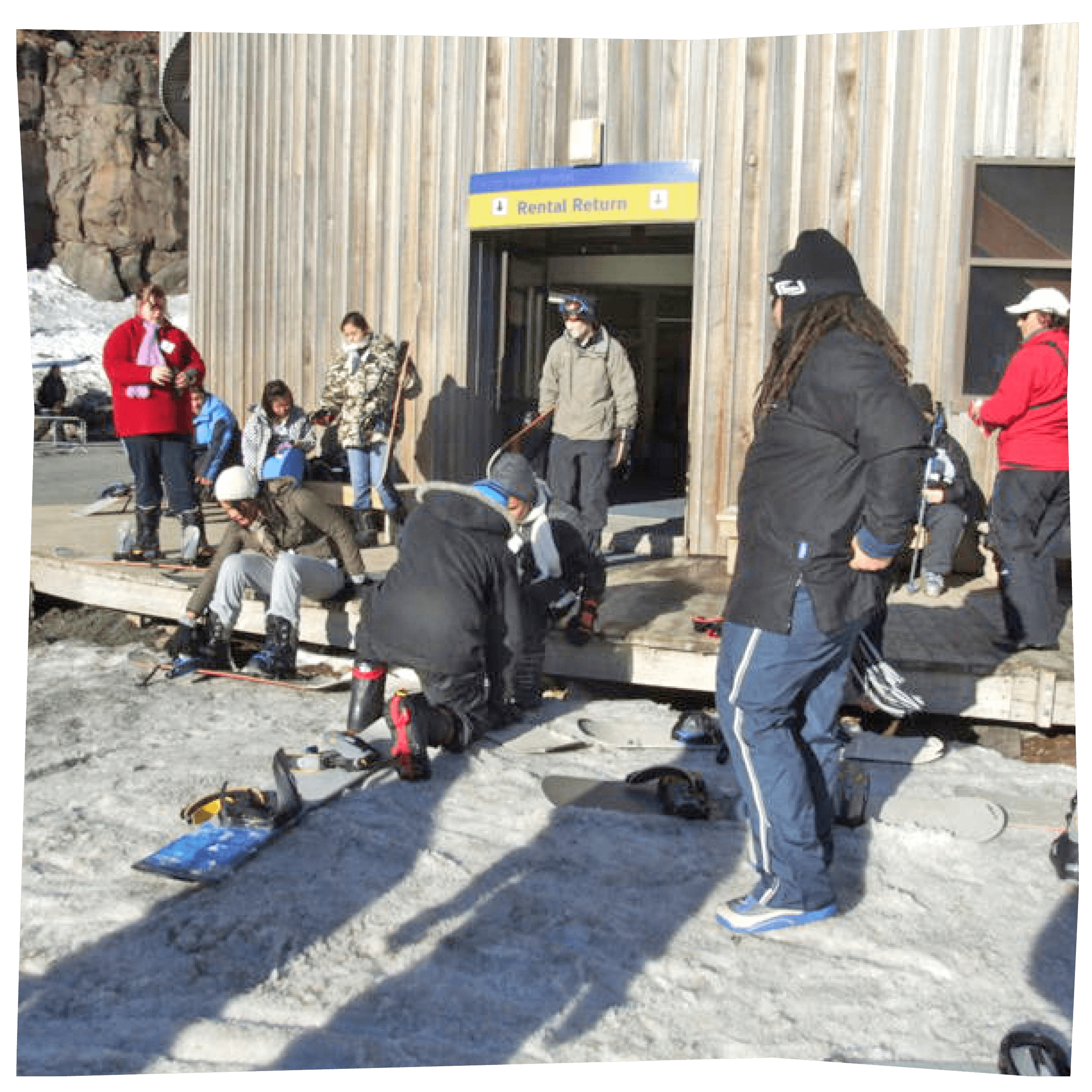
Will NZ’s education system overhaul leave vulnerable learners even further behind?
New Zealand’s education system is undergoing its largest overhaul in decades, with new curricula, rewritten qualifications and greater accountability for schools.
Read more
Adrian Schoone (2026)
Don’t give up on us, young peoples’ experiences of change in alternative education
For the past twenty five years a network of alternative education provision in Aotearoa/New Zealand has been resourced by the government to meet the needs of secondary school aged students (aged 13-16) who are identified as ‘at risk of or who have already disengaged from school’ (Ministry of Education, 2023) outside of regular classroom settings.
Read more
Lloyd Martin (2024)
School of last resort: how to fix NZ’s vital but ignored alternative education system
It wasn’t surprising when last week’s Education Review Office (ERO) report found New Zealand’s alternative education (AE) system suffers from inadequate facilities, a lack of qualified teaching personnel and poor long-term outcomes.
Read more
Adrian Schoone (2023)
What are the elements of alternative education which encourage and allow support of at-risk youth to gain NCEA Level One and pursue higher education?
Students come to alternative education for a number of various reasons. Alternative education is a short-term intervention which supports students who have been alienated from mainstream education. It re-engages students in a meaningful learning programme targeted to their individual needs and supports them to transition back to mainstream school, further education, training or employment.
Read more
Chantelle Foketi (2019)
Positive Youth Development
through Education
Young people disengage from schooling for a range of complex reasons, and steps toward re-engagement are also often complex. This resource provides insight into factors leading to dis/engagement, and suggests a range of possible strategies for practitioners (including teachers) when supporting young people.
Read more
Judy Bruce (2014)
THEME TWO
INVESTING IN THE WORKFORCE
For young people who are experiencing adversity, the biggest single factor in helping them achieve is the presence of an adult who can spend time with them and support their learning. Let’s recognise the people who do this important work through better training and improved working conditions.
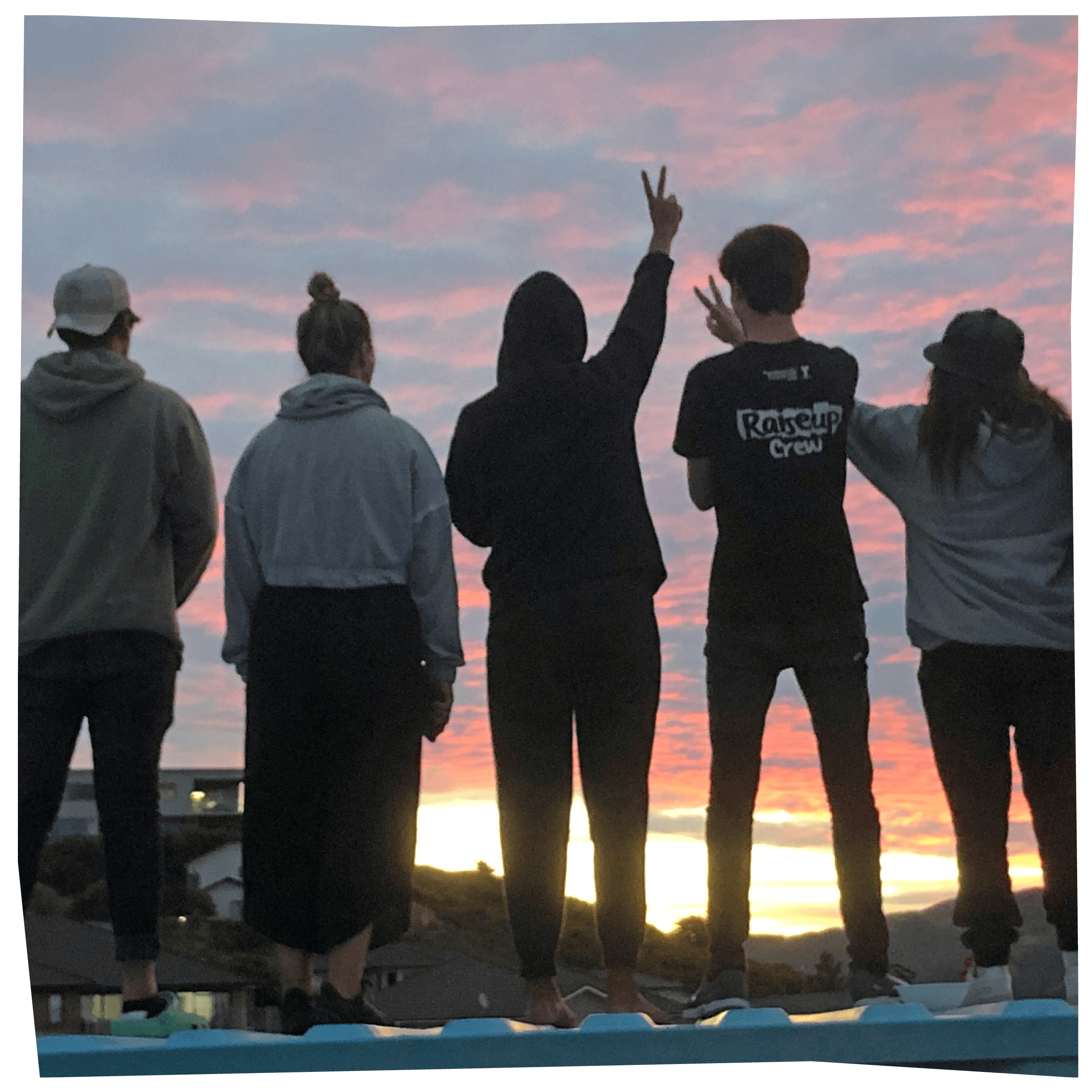
Imagining social pedagogy in/for New Zealand
On the face of it, social pedagogy has no recognised presence in New Zealand. The education workforce, and society, are generally unfamiliar with the term ‘pedagogue’ and what that role entails. Despite this, a range of vocations in New Zealand reflect social pedagogical practices.
Read more
Adrian Schoone (2020)
Alternative Education workforce development in Aotearoa: Lessons from related sectors
The aim of this research project is to provide an overview of historic and current factors impacting on professional learning and development (PLD) and workforce development in Alternative Education (AE). It is hoped that this research may create a forum of informed discussion and ultimately influence policy and practice to activate sector wide PLD that is accessible, meaningful and results driven.
Read more
Judy Bruce (2020)
THEME THREE
DEVELOPMENTAL APPROACHES IN EDUCATION PRACTICE
Young people who have disengaged from learning thrive in situations where their developmental needs are recognised and addressed.
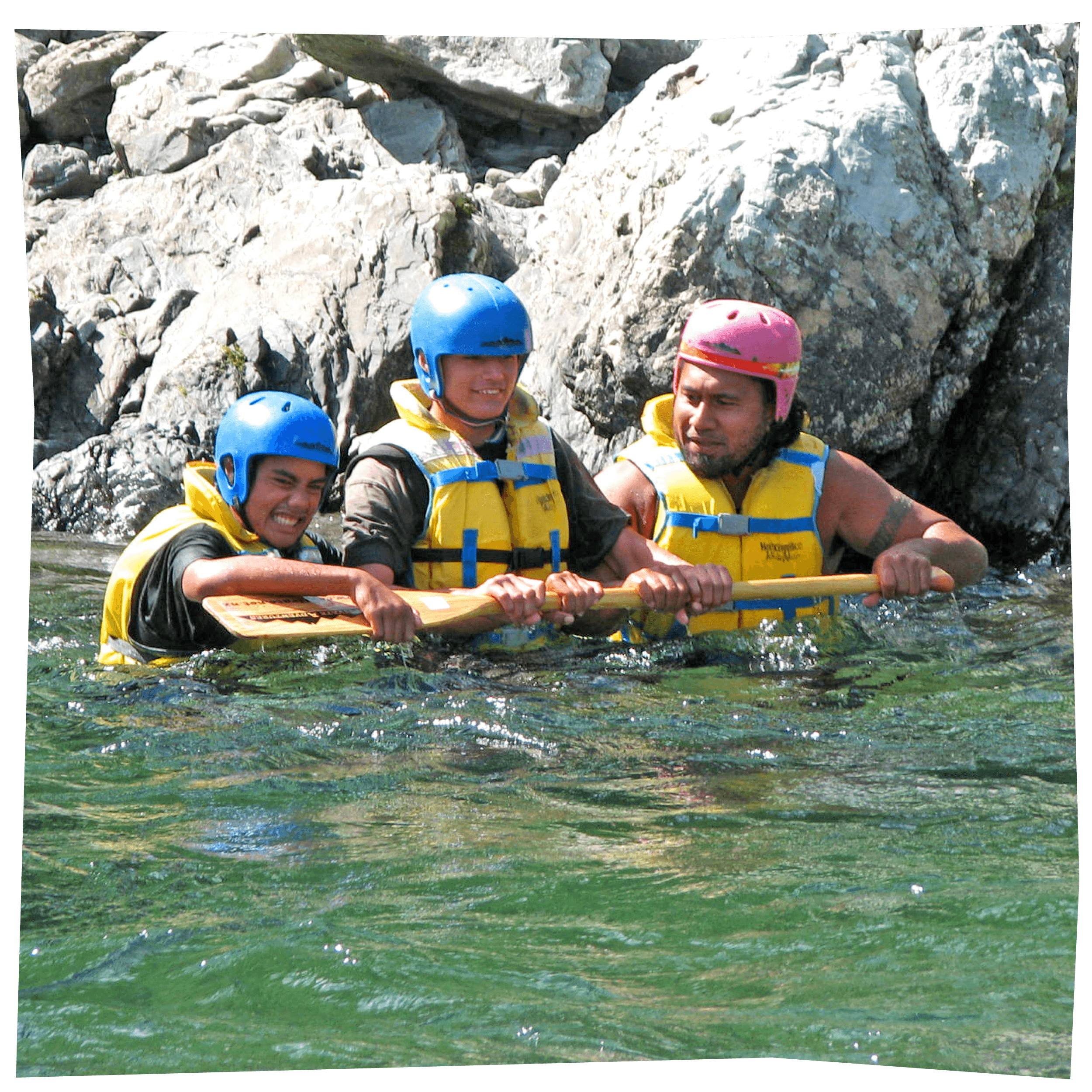
The Circle of Mana - understanding our roots
The Circle of Mana is one of several models of development that are currently used in Aotearoa New Zealand by youth workers and educators. This article traces the origins of the model, discussing how it has evolved from earlier iterations to capture what is important about working with young people.
Read more
Lloyd Martin (2026)
Combined activity centre/alternative education pilot research project in Porirua
During 2022/2023 in Porirua, the combined service provision of an Activity Centre and an Alternative Education programme was evaluated to determine the effectiveness on development and learning outcomes for young people. The programme is called PEK (Praxis Education Kenepuru).
Read more
Judy Bruce and Lloyd Martin (2023)
Alternative Education and Youth Development in Aotearoa/New Zealand
This resource has been developed by a group of AE practitioners and youth development specialists who are passionate about mana enhancing education (development and learning) for all rangatahi within Aotearoa.
Read more
Judy Bruce (2021)
Ricky Baker and Developmental Relationships
In this article we use the Hunt for the Wilder People movie to explore Uri Bronfenbrenner’s concept of developmental relationships. The trailer for Hunt for the Wilder People opens with a list of what’s wrong with Ricky Baker, it’s a list with everything from stealing stuff, to burning stuff, and even walking slowly across the pedestrian crossing to hold the cars up!
Read more
Lloyd Martin (2020)
THEME FOUR
TRAUMA INFORMED APPROACHES FOR EDUCATORS
Less than half of young people who struggle with mental health get the support they need to function well at school. We can no longer rely on a few specialists to address the current epidemic.
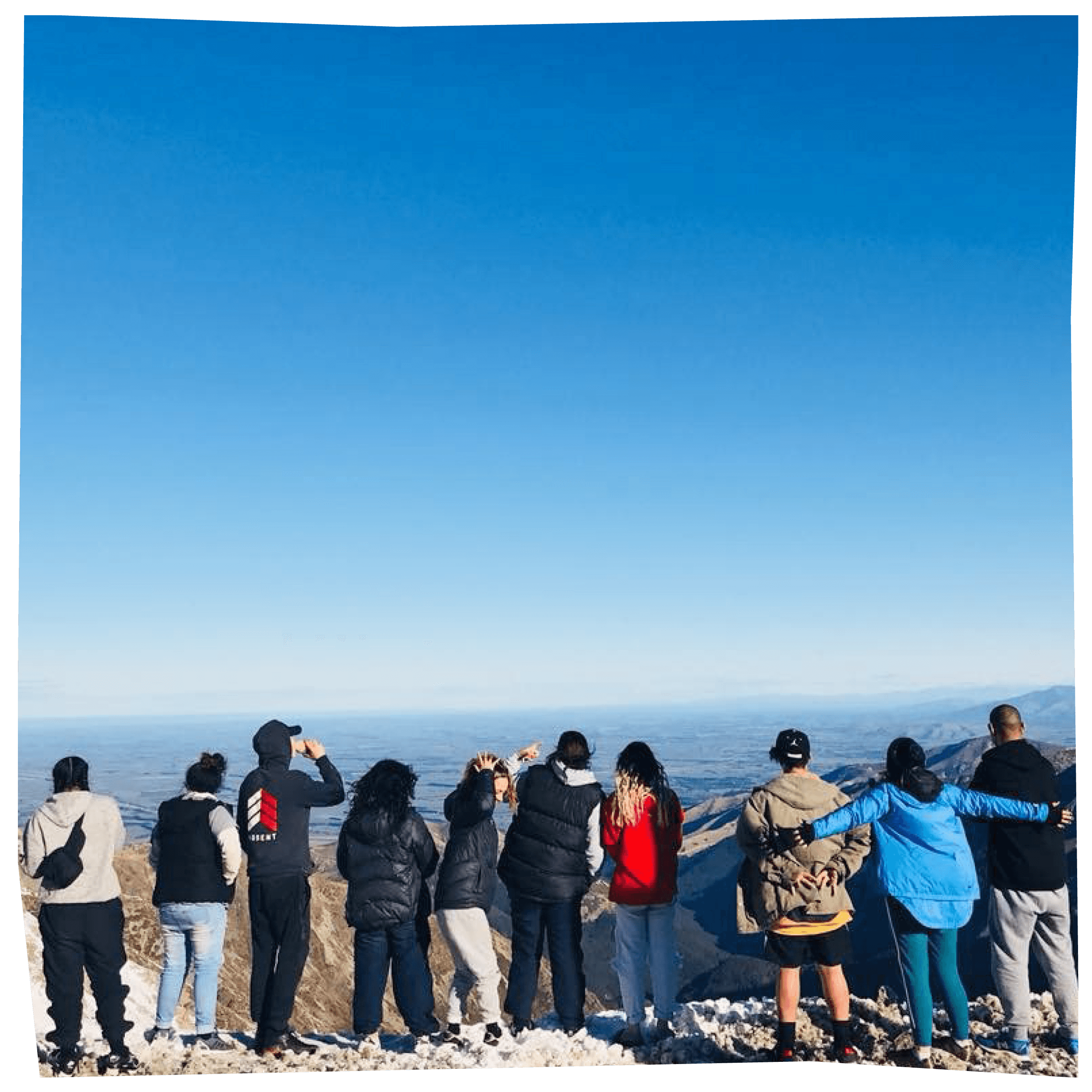
What factors, practice and strategies lead to best practice and positive outcomes for disadvantaged, disengaged and dysregulated youth in the secondary school sector?
Seven years ago I read a book called The Boy Who Was Raised as a Dog by Bruce Perry (2017). It changed my life and it had a profound impact on our little school in Cannons Creek, Porirua. It is a collection of narratives of trauma and transformation: each chapter tells the story of a child or group of children who have experienced significant stress, trauma or neglect. Perry incorporates neuroscience teachings to illuminate what happened to the children’s brains and nervous systems and describes his therapeutic responses.
Read more
Lynda Knight (Churchill Fellowship recipient, 2024)
Podcasts of interest
See below to listen to podcasts themed around neuroscience and trauma for educators.
• Unconditional with Jase Williams
• Alliance Against Seclusion and Restraint
Various authors
THEME FIVE
YOUTH AND WHĀNAU VOICE
Hearing the voices and experience of young people and their families is integral to shaping learning journeys that work for them.
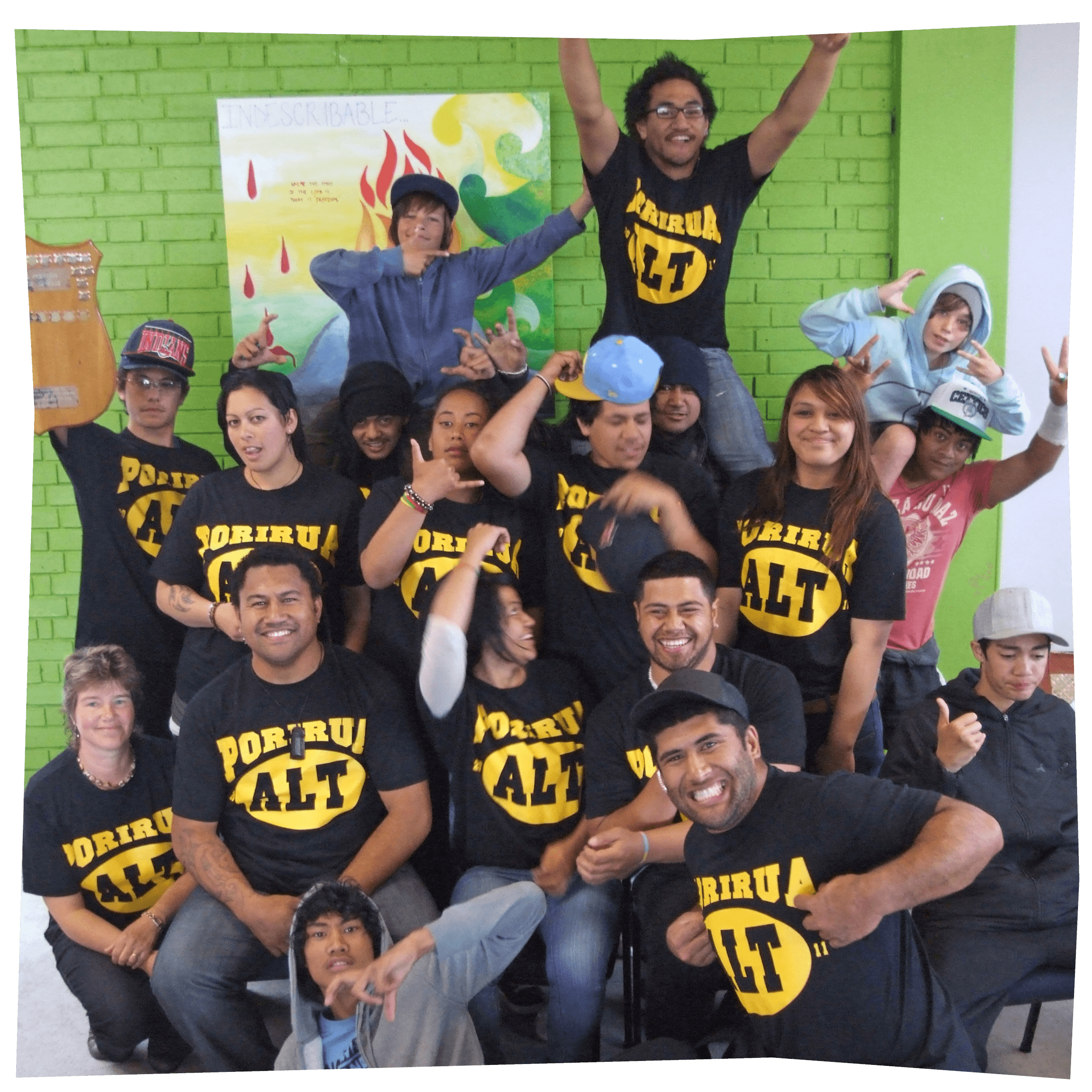
Critical moments from the education journeys of students in Alternative Education settings: Teacher inquiries for transformation
Every year, at least 2,000 rangatahi, aged 13 to 16, continue their learning in Alternative Education (AE) settings, disenfranchised from mainstream schooling through exclusions, multiple suspensions, or truancy. Of this population, 68% are Māori and 17% are Pasifika (Education Review Office, 2023). The high numbers of Māori in AE reflect that schools in Aotearoa stand down, suspend, and expel more Māori students than any other ethnic group (Education Counts, 2021).
Read more
Adrian Schoone, Judy Bruce, Eileen Piggot-Irvine, and Hana Turner-Adams (2024)
The research listed above is made available without cost through a Creative Commons licence (CC BY-ND) which allows you to use and quote from the work providing you -acknowledge the source and don’t make changes to it.